
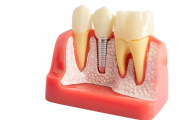


Dental implants are renowned for their exceptional longevity and are designed to be a durable, long-term solution for tooth replacement.
With consistent maintenance and proper oral hygiene, dental implants can last between 15 to 25 years, and often much longer. This lifespan significantly exceeds that of traditional restorative options, such as bridges (which typically last 5 to 10 years) or dentures (which usually require adjustments or replacement every 3 to 8 years).
The long-lasting nature of dental implants is attributed to several factors:
- Osseointegration: The biocompatible titanium post fuses directly with the jawbone, creating a stable, permanent foundation that mimics a natural tooth root.
- Decay-Resistant Materials: The titanium or zirconia posts and abutments are designed to resist decay and do not develop cavities.
- Bone Preservation: By stimulating the jawbone, implants prevent the bone loss that often causes traditional dentures or bridges to lose their fit over time.
To maximize the life of your implant, it is essential to maintain excellent oral hygiene through regular brushing and flossing, attend routine dental check-ups, and manage lifestyle factors such as teeth grinding or smoking.
Related FAQs
-
How Much More does a Dental Implant Cost Compared to a Bridge?
Read More »: How Much More does a Dental Implant Cost Compared to a Bridge?Based on the 2026 pricing and comparison data from Kamouni Dentistry, a dental implant generally has a higher initial cost than a bridge. The specific cost breakdown is as follows: While a dental implant can cost between $1,500 and $2,000…
-
What Technology is Used for Modern Dental Implant Placement?
Read More »: What Technology is Used for Modern Dental Implant Placement?Modern dental implant placement utilizes several advanced technologies to ensure precision, safety, and predictability during surgery. The primary technologies include: Related FAQs
-
How Long is the Recovery Time for a Full Dental Implant Procedure?
Read More »: How Long is the Recovery Time for a Full Dental Implant Procedure?The recovery time for a dental implant procedure varies depending on the specific type of surgery performed and the patient’s individual healing process. Most patients can return to normal activities within a few days after the initial surgery, but complete…
-
What is the Success Rate of Advanced Dental Implant Surgeries?
Read More »: What is the Success Rate of Advanced Dental Implant Surgeries?The success rate of advanced dental implant surgeries varies slightly depending on the specific technique used, but generally remains very high. According to clinical data and industry averages provided by Kamouni Dentistry, the success rates for different procedures are as…
-
How do I Choose the Best Implant Procedure for my Missing Teeth?
Read More »: How do I Choose the Best Implant Procedure for my Missing Teeth?Choosing the best dental implant procedure involves evaluating your specific oral health profile, bone structure, and restorative goals. The process at Kamouni Dentistry begins with a professional consultation where 3D CBCT digital imaging is used to assess your jawbone density…
