
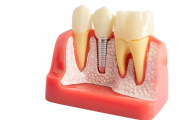


During the recovery period following dental implant surgery, it is essential to consume foods that require minimal chewing to protect the surgical site and support osseointegration. The safest foods are categorized by their texture and nutritional value:
- Proteins: Scrambled eggs, soft fish (such as cod or salmon), tofu, lentil soup (pureed), smooth cottage cheese, Greek yogurt, and protein shakes.
- Vegetables: Mashed potatoes, mashed sweet potatoes or cauliflower, pureed carrots, and well-cooked spinach or squash.
- Fruits: Applesauce, mashed bananas, smoothies (without seeds or pulp), and fruit purees.
- Grains: Oatmeal, cream of wheat, soft pasta (not al dente), well-cooked rice, and pancakes or French toast without crusts.
- Dairy and Desserts: Milkshakes, pudding, custard, mousse, and yogurt.
Dietary Progression Timeline
- First 48 Hours: Stick strictly to a liquid diet, including broth, water, juice, and chilled smoothies. Note: Do not use a straw, as the suction can dislodge the blood clot.
- Days 3–14: Transition to the soft foods listed above (mashed potatoes, eggs, etc.) while chewing on the side opposite the surgical site.
- Weeks 2–6: Gradually introduce semi-soft foods like flaky fish and soft meatballs, but continue to avoid hard, crunchy, or sticky items until your dentist confirms full integration.
Related FAQs
-
Are Dental Implants the Right Cosmetic Procedure for Older Adults?
Read More »: Are Dental Implants the Right Cosmetic Procedure for Older Adults?Yes, dental implants are a safe and highly effective cosmetic and restorative procedure for older adults. They provide a permanent solution for missing teeth that restores natural chewing power while actively preserving jawbone structure. Key considerations for seniors regarding dental…
-
How Much do Cosmetic Dental Procedures Cost for Seniors?
Read More »: How Much do Cosmetic Dental Procedures Cost for Seniors?The cost of cosmetic dental procedures for seniors in Florida varies significantly depending on the specific treatment and the extent of the restoration required. Below are the average cost ranges for the most common procedures: To manage these costs, several…
-
What is the Safest Cosmetic Dental Procedure for Elderly Patients?
Read More »: What is the Safest Cosmetic Dental Procedure for Elderly Patients?Cosmetic dentistry is considered safe for seniors when personalized to their specific health history and oral health needs. While the safest and most appropriate procedure depends on a professional consultation, the following options are common for older adults: Ultimately, a…
-
Can Seniors Get Invisalign as a Cosmetic Dental Procedure?
Read More »: Can Seniors Get Invisalign as a Cosmetic Dental Procedure?Yes, seniors can get Invisalign as a cosmetic dental procedure. It is considered a popular and effective option for older adults who wish to straighten their smile using a nearly invisible method. Key considerations for seniors interested in Invisalign include:…
-
Why is Maintaining a Soft Food Diet Critical for Implant Success?
Read More »: Why is Maintaining a Soft Food Diet Critical for Implant Success?Maintaining a soft food diet is critical for dental implant success because it protects the surgical site during the most vulnerable stages of healing. The primary reasons include: By following this regimen for at least the first 7–10 days, you…
