
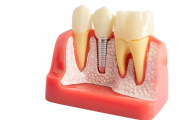


Dental implants are renowned for their exceptional longevity and are designed to be a durable, long-term solution for tooth replacement.
With consistent maintenance and proper oral hygiene, dental implants can last between 15 to 25 years, and often much longer. This lifespan significantly exceeds that of traditional restorative options, such as bridges (which typically last 5 to 10 years) or dentures (which usually require adjustments or replacement every 3 to 8 years).
The long-lasting nature of dental implants is attributed to several factors:
- Osseointegration: The biocompatible titanium post fuses directly with the jawbone, creating a stable, permanent foundation that mimics a natural tooth root.
- Decay-Resistant Materials: The titanium or zirconia posts and abutments are designed to resist decay and do not develop cavities.
- Bone Preservation: By stimulating the jawbone, implants prevent the bone loss that often causes traditional dentures or bridges to lose their fit over time.
To maximize the life of your implant, it is essential to maintain excellent oral hygiene through regular brushing and flossing, attend routine dental check-ups, and manage lifestyle factors such as teeth grinding or smoking.
Related FAQs
-
When can I Transition from a Liquid Diet to a Soft Food Diet?
Read More »: When can I Transition from a Liquid Diet to a Soft Food Diet?You can typically begin transitioning from a liquid diet to a soft food diet within 3 to 14 days after your dental implant surgery. Following the initial 48-hour period—which should consist strictly of liquids—the early healing phase begins, and soft…
-
Can I Eat Pasta or Mashed Potatoes During the First Week of Recovery?
Read More »: Can I Eat Pasta or Mashed Potatoes During the First Week of Recovery?Yes, you can eat both pasta and mashed potatoes during your first week of recovery, as they are staples of the recommended soft food diet. However, there are specific guidelines for when and how to consume them: Important Tips for…
-
What Foods are Safest to Eat on a Soft Food Diet after Dental Implant Surgery?
Read More »: What Foods are Safest to Eat on a Soft Food Diet after Dental Implant Surgery?During the recovery period following dental implant surgery, it is essential to consume foods that require minimal chewing to protect the surgical site and support osseointegration. The safest foods are categorized by their texture and nutritional value: Dietary Progression Timeline…
-
Are There Specific High-protein Soft Foods Recommended for Recovery?
Read More »: Are There Specific High-protein Soft Foods Recommended for Recovery?Yes, there are several high-protein soft foods recommended to support tissue repair and osseointegration during your recovery. Protein is essential during the first 2 to 3 weeks of the healing stages as it provides the amino acids necessary for new…
-
How Many Days must I Follow a Soft Food Diet Post-surgery?
Read More »: How Many Days must I Follow a Soft Food Diet Post-surgery?For a successful recovery, you must follow a strictly soft food diet for at least the first 7–10 days following your dental implant surgery. After this initial period, your dietary requirements will transition through various stages of the recovery timeline:…
