
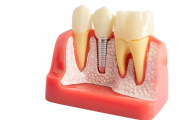


You can typically begin transitioning from a liquid diet to a soft food diet within 3 to 14 days after your dental implant surgery. Following the initial 48-hour period—which should consist strictly of liquids—the early healing phase begins, and soft foods become the cornerstone of your recovery.
Here is a breakdown of the transition timeline based on the healing stages:
- Immediate Post-Op (0–48 hours): Stick strictly to a liquid diet. Recommended options include broth, smoothies (without seeds or pulp), water, and juice.
- Early Healing (3–14 days): This is the primary window for transitioning to a soft food diet. As swelling subsides and discomfort decreases, you can begin eating mashed potatoes, yogurt, scrambled eggs, and soft pasta.
- Soft Tissue Maturation (2–6 weeks): Once the gum tissue is fully healed and the site is stable, you can progress to semi-soft foods such as soft fish, cooked vegetables, and moist cakes.
Important Considerations:
- Avoid Straws: No matter the consistency of your food or drink, do not use a straw for the first few days, as the suction can dislodge the protective blood clot.
- Chew Carefully: Ensure you chew on the side of your mouth opposite the surgical site to avoid mechanical stress.
- Avoid Hard Foods: You must continue to avoid hard, crunchy, or sticky foods for 3 to 6 months during the osseointegration phase (when the bone fuses to the implant) to ensure long-term success.
Related FAQs
-
What are the Best Cosmetic Dental Procedures for Seniors in Florida?
Read More »: What are the Best Cosmetic Dental Procedures for Seniors in Florida?Seniors in Florida have access to several modern cosmetic and restorative dental procedures designed to improve both the appearance and function of their smiles. These options common at practices like Kamouni Dentistry include: When considering these procedures, factors such as…
-
What are the Long-term Benefits of Implants over Dental Bridges?
Read More »: What are the Long-term Benefits of Implants over Dental Bridges?When comparing dental implants to bridges, dental implants provide several significant long-term advantages for both oral health and financial value: Related FAQs
-
Can a Dental Implant Replace a Bridge I Already Have?
Read More »: Can a Dental Implant Replace a Bridge I Already Have?While the provided text does not explicitly detail the surgical process of removing an existing bridge to replace it with an implant, it highlights that dental implants are a superior long-term alternative to dental bridges for several restorative reasons. Transitioning…
-
Is a Dental Implant Better than a Bridge in 2026?
Read More »: Is a Dental Implant Better than a Bridge in 2026?Whether a dental implant is better than a dental bridge in 2026 depends on your specific priorities regarding oral health, longevity, and budget. According to the comparison provided by Kamouni Dentistry, here is how the two options evaluate: Reasons Dental…
-
Which Lasts Longer: a Dental Implant or a Traditional Bridge?
Read More »: Which Lasts Longer: a Dental Implant or a Traditional Bridge?Based on the provided content, dental implants last significantly longer than traditional bridges. While both options restore the function and appearance of your smile, their lifespans differ as follows: Beyond just the years of service, dental implants offer superior long-term…
