
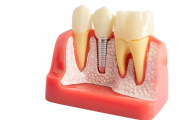


You can typically begin transitioning from a liquid diet to a soft food diet within 3 to 14 days after your dental implant surgery. Following the initial 48-hour period—which should consist strictly of liquids—the early healing phase begins, and soft foods become the cornerstone of your recovery.
Here is a breakdown of the transition timeline based on the healing stages:
- Immediate Post-Op (0–48 hours): Stick strictly to a liquid diet. Recommended options include broth, smoothies (without seeds or pulp), water, and juice.
- Early Healing (3–14 days): This is the primary window for transitioning to a soft food diet. As swelling subsides and discomfort decreases, you can begin eating mashed potatoes, yogurt, scrambled eggs, and soft pasta.
- Soft Tissue Maturation (2–6 weeks): Once the gum tissue is fully healed and the site is stable, you can progress to semi-soft foods such as soft fish, cooked vegetables, and moist cakes.
Important Considerations:
- Avoid Straws: No matter the consistency of your food or drink, do not use a straw for the first few days, as the suction can dislodge the protective blood clot.
- Chew Carefully: Ensure you chew on the side of your mouth opposite the surgical site to avoid mechanical stress.
- Avoid Hard Foods: You must continue to avoid hard, crunchy, or sticky foods for 3 to 6 months during the osseointegration phase (when the bone fuses to the implant) to ensure long-term success.
Related FAQs
-
How Much More does a Dental Implant Cost Compared to a Bridge?
Read More »: How Much More does a Dental Implant Cost Compared to a Bridge?Based on the 2026 pricing and comparison data from Kamouni Dentistry, a dental implant generally has a higher initial cost than a bridge. The specific cost breakdown is as follows: While a dental implant can cost between $1,500 and $2,000…
-
What Technology is Used for Modern Dental Implant Placement?
Read More »: What Technology is Used for Modern Dental Implant Placement?Modern dental implant placement utilizes several advanced technologies to ensure precision, safety, and predictability during surgery. The primary technologies include: Related FAQs
-
How Long is the Recovery Time for a Full Dental Implant Procedure?
Read More »: How Long is the Recovery Time for a Full Dental Implant Procedure?The recovery time for a dental implant procedure varies depending on the specific type of surgery performed and the patient’s individual healing process. Most patients can return to normal activities within a few days after the initial surgery, but complete…
-
What is the Success Rate of Advanced Dental Implant Surgeries?
Read More »: What is the Success Rate of Advanced Dental Implant Surgeries?The success rate of advanced dental implant surgeries varies slightly depending on the specific technique used, but generally remains very high. According to clinical data and industry averages provided by Kamouni Dentistry, the success rates for different procedures are as…
-
How do I Choose the Best Implant Procedure for my Missing Teeth?
Read More »: How do I Choose the Best Implant Procedure for my Missing Teeth?Choosing the best dental implant procedure involves evaluating your specific oral health profile, bone structure, and restorative goals. The process at Kamouni Dentistry begins with a professional consultation where 3D CBCT digital imaging is used to assess your jawbone density…
